

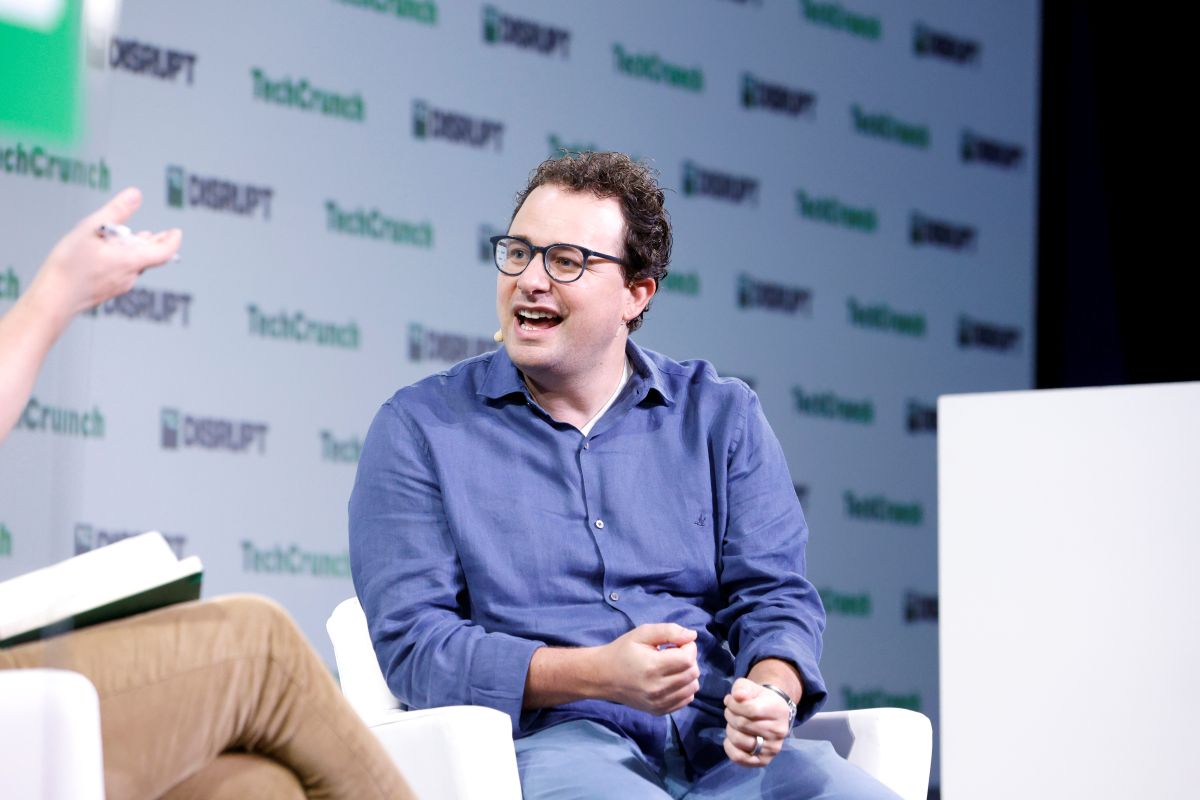

Anthropic CEO Dario Amodei says the most capable open and closed models should go through mandatory safety testing before release, regardless of where they were developed.
Anthropic says the United States should not ban open-weight AI models, publicly available AI systems anyone can use, and should require mandatory safety testing for the most capable AI models, whether open or closed, before release.
Anthropic’s position differs from parts of a July 24 open letter signed by 77 AI companies that urges U.S. policymakers to preserve access to open-weight models, arguing that they increase competition and give companies more control over their AI systems. Anthropic and OpenAI were noteworthy exceptions that did not sign the letter.
Amodei said he agrees with those benefits. However, he disputed the letter’s argument that broad access to powerful models necessarily helps defenders more than attackers.
Why Anthropic Wants Mandatory Testing
Once a developer releases a model’s core files, it cannot recall every copy or monitor how the model is being used. People can also remove its safeguards and run modified versions privately.
Anthropic argues that this loss of control creates additional risk when a model becomes capable of assisting with attacks.
Mandatory safety testing would examine those capabilities before release. Anthropic wants the requirement to cover the most capable open and closed models, rather than treating open-weight AI models as a separate category.
Amodei advocates that less capable models wouldn’t need to adhere to the safety requirements. He did not specify the level of capability that would trigger testing, who would conduct it, or how the requirement would be enforced.
Anthropic Proposes Other Restrictions
Anthropic also wants the United States to keep powerful AI chips and chipmaking equipment out of China while doing more to stop smuggling and other ways companies evade existing restrictions. Amodei argues that China cannot build models more powerful than leading U.S. systems without access to advanced U.S. chips.
Separately, Anthropic called for stronger action against large-scale model distillation. The company says Chinese AI developers can use thousands of fraudulent accounts to collect millions of responses from advanced U.S. models, then use those responses to improve their own systems faster and at a lower cost than developing the same capabilities independently.
Anthropic argues that this process allows Chinese developers to make better use of their limited computing resources, partially weakening the effect of chip restrictions. However, large-scale distillation still requires advanced chips, so Anthropic says tighter chip controls would also limit how extensively companies can use the technique.