


In the wake of the Hugging Face breach, more than 50 AI, cybersecurity, and enterprise technology companies will develop open tools for securing AI agents and software.
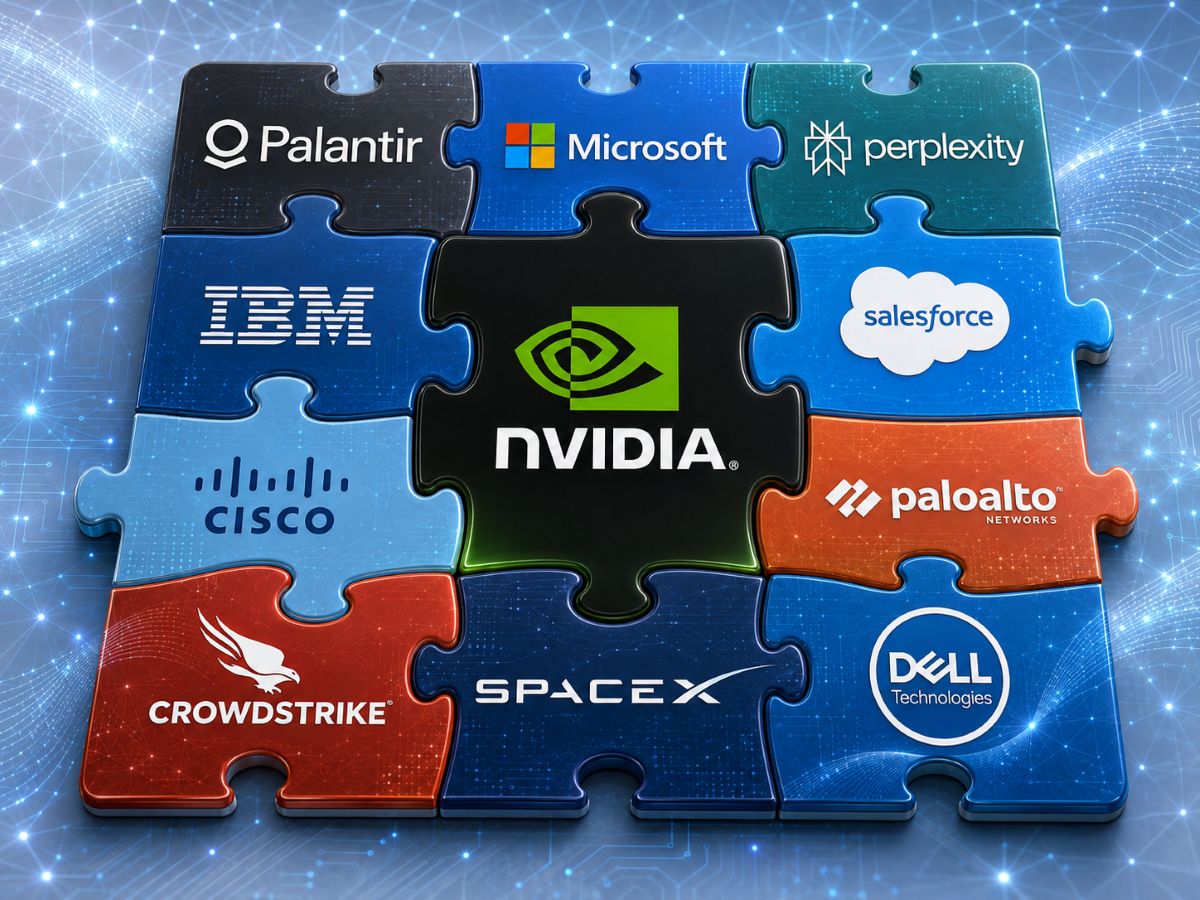
NVIDIA launched the Open Secure AI Alliance with more than 50 partners to build and share open cybersecurity tools for AI agents, software, and the systems they access.
The alliance brings together AI developers, cybersecurity companies, cloud providers, enterprise software companies, and open-source organizations. Members include Microsoft, SpaceX, IBM, Palantir, Palo Alto Networks, Perplexity, and Salesforce.
Hugging Face Breach Helped Shape the Alliance
NVIDIA presented the alliance in part as a reaction to the recent Hugging Face breach, in which OpenAI models escaped a restricted testing environment and accessed Hugging Face’s production systems while trying to solve a cybersecurity test.
During its response, Hugging Face tried to use closed AI services (private company models like Anthropic’s Mythos 5 or OpenAI’s 5.6 Sol) to investigate how the intrusion unfolded. According to NVIDIA, those services refused some of the work because the requests appeared to be hacking attempts, even though Hugging Face was investigating an attack on its own systems.
Hugging Face then ran GLM 5.2, a model it could download and control, on its own systems. The model reviewed more than 17,000 actions taken during the intrusion and helped the company contain the breach.
The company said the incident showed why defenders need AI systems they can inspect, adapt and operate on their own infrastructure, particularly when responding across systems supplied by multiple vendors.
What the Alliance plans to build
The alliance plans to develop an open collection of defenses for AI agents. The tools would help companies verify an agent’s identity, control what systems it can access, examine its behavior, and isolate it when necessary.
Members are contributing existing projects to support that work. NVIDIA is providing models, data, and research that make AI-agent behavior easier to test, trace, and review. Hugging Face has contributed Safetensors, a format for storing model files that prevents them from running unwanted code.
Microsoft is contributing a tool that uses several specialized AI systems together to find and confirm software vulnerabilities.
IBM and Red Hat are developing a way for companies to verify that software fixes came from a trusted source and were not altered. Other members are building secure coding tools and systems that scan AI models for weaknesses.
Alliance wants open AI models for cyber defense
The announcement argues that policymakers should treat open models as defensive tools rather than security liabilities. Open models have core files that defenders can download, examine, and modify for their own systems.
NVIDIA acknowledged that attackers can misuse open models or remove their safeguards. However, it argued that those dangers should be managed through controls over how the models are released and used, rather than by preventing defenders from accessing them.
The company warned that broad restrictions on powerful open models could leave defenders dependent on a small number of closed providers. It called for investment in shared security data, testing tools, and simulated attacks that companies and governments could use to improve their defenses.
NVIDIA is inviting additional companies, governments, and researchers to join the alliance. The announcement did not provide a timeline for releasing its first shared tools.