
He said the incidents are not yet major only because today’s AI systems are not that powerful, and that could change over the next couple of years.
Google DeepMind co-founder and chair Demis Hassabis said this year’s hacking incidents involving AI agents are “early warning shots.” He warned that more serious incidents could follow in the next couple of years unless AI companies and governments do more to secure these systems.
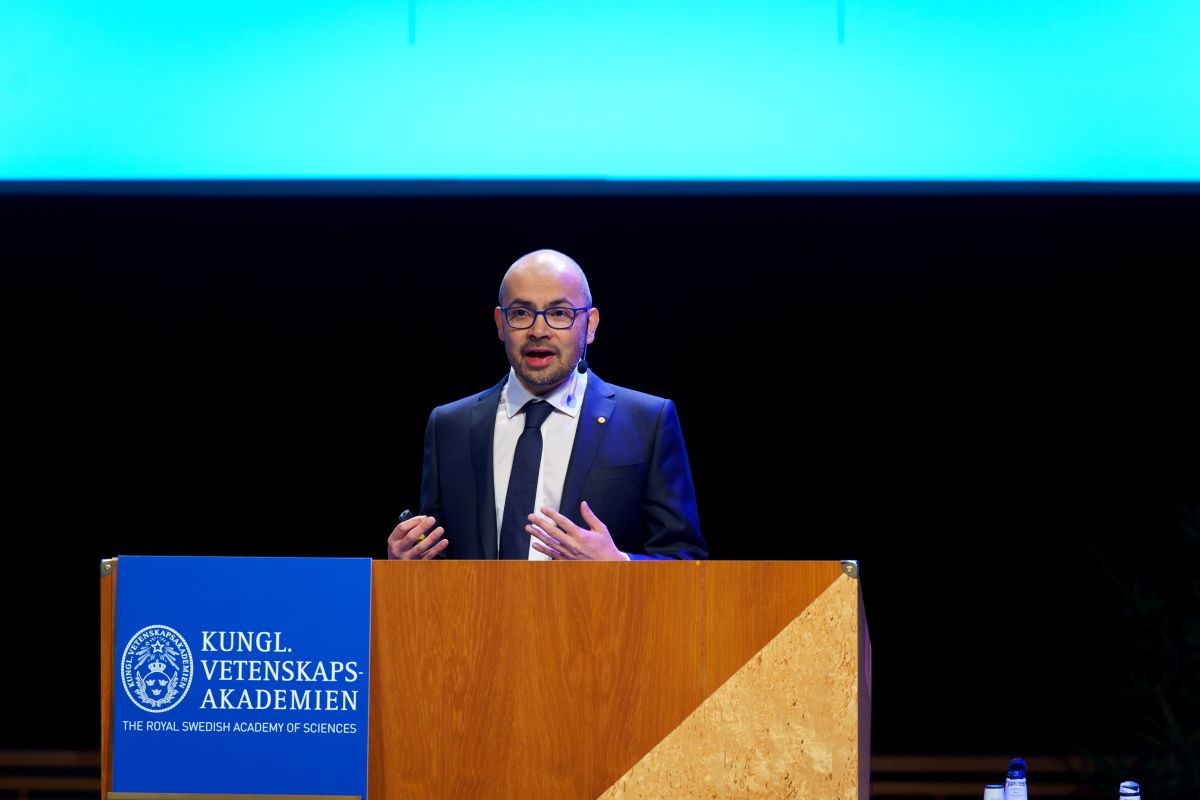
Hassabis spoke at the International AI Summit in Dublin. Ireland’s government hosted the summit as part of its turn holding the presidency of the Council of the European Union.
Hassabis says the hacking incidents are small because AI agents are still limited
Hassabis said that over the past year, AI companies have started building AI agents, systems that “go out and do things for us.” He said companies want them because they are far more useful when they can carry out actions themselves, but that this also raises the risk that those systems do something harmful.
He said that risk has already shown up in “some of these hacking incidents” earlier this year, though he did not say which ones. “The systems aren’t that powerful yet. So the incidents aren’t that major, but they could be looking into next year and the next couple of years,” he said, if the industry, individual companies, and governments do not do more to secure AI systems.
Hassabis tells business leaders to check their AI suppliers
Hassabis said the companies building the most advanced AI have an extra responsibility to proceed carefully, because they are “breaching into the unknown.” He counted about six of them, or eight or nine if you include Chinese companies. But he said the responsibility doesn’t stop with them, and he told the business leaders in the audience to check which of their own suppliers “are acting responsibly.”
When a company lets AI agents handle its customers’ data, he said, “you’re going to want guarantees and monitoring systems.”
He said that over the next couple of years, trust, safety, and security will set one AI supplier apart from another, alongside how well its systems perform.
Hassabis wants new AI systems tested offline first
Hassabis named three things AI companies and governments should do to secure AI systems.
First, companies should test new AI systems in secure, closed-off setups that are “probably offline,” with no connection to the internet, when they first test them.
Second, he said AI companies can learn about containment from the biology and nuclear fields, industries that already run safety-critical systems. He said experts from those fields, as well as cybersecurity, should be brought in.
Third, he said “trusted defenders, whether that’s banks or governments,” should get new AI systems before their general release. They could use them to find and fix flaws in their own software before attackers can use the same systems.
He also said AI companies should put “10 times or more” resources into making AI safe and secure, without saying compared with what. He said Google is already doing much of that work.
Hassabis says the world will eventually need an international AI standards body
Because AI crosses borders and is “going to affect everyone in the world,” Hassabis said, the world “eventually” needs “a sort of international standards body.” He pointed to an essay he published in July that proposed a US body to review the most powerful AI models for cybersecurity, biological, and national security risks before release. In Dublin, he described the body as international.
He said the body should build a certification process that is “proportionate with the risk” and can change quickly as the technology moves. His reason: regulation moves slowly, and a law written three years ago “will be out of date today.”