
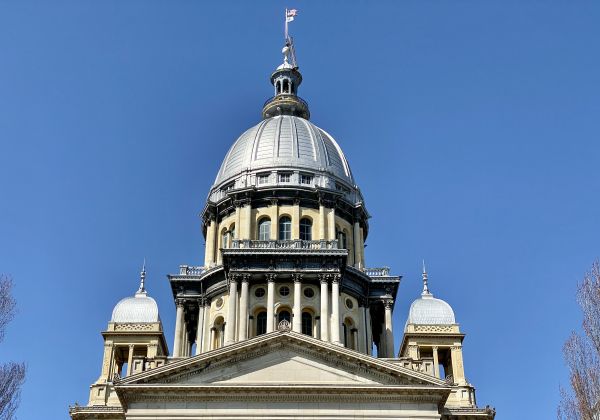

SB 315 cleared the Illinois House 110-0 and the Senate 52-5. If signed by the governor, it will be the first U.S. law to require annual third-party safety audits of frontier AI companies.
The Illinois House of Representatives passed SB 315 unanimously, sending the bill to Governor JB Pritzker’s desk. Pritzker said he will sign it.
“Illinois is leading the nation in holding Big Tech accountable,” Pritzker posted on X. “I look forward to signing SB 315 and working with the legislature so that AI, when used, is used responsibly.”
SB 315 applies to AI developers with more than $500 million in annual revenue. Covered companies must publish a safety plan and submit to annual independent third-party audits assessing the risk of catastrophic harm, defined as events that could cause 50 or more deaths, serious injuries, or more than $1 billion in property damage.
Companies must also report critical safety incidents to authorities within 72 hours of discovery, or within 24 hours if the incident poses imminent risk of death or physical harm. The bill includes whistleblower protections for employees who flag safety concerns internally.
If signed, the law takes effect Jan. 1, 2027.
How it got here
Illinois Senate Democrats advanced a package of eight AI bills earlier this month, citing federal inaction. Senator Bill Cunningham (D-18th District) said lawmakers acted because “not much is happening at all in Washington.” The Illinois Senate passed SB 315 by a 52-5 vote.
House sponsor Daniel Didech called the bill a way to “put up some guardrails and make sure we have some safeguards in place to protect against some of the worst catastrophic risks.”
OpenAI and Anthropic publicly backed the measure. A trade organization representing other AI companies opposed it.
Illinois is the latest state to pass comprehensive AI legislation. Colorado recently passed a revised version of the Consumer Protections for Artificial Intelligence Act, which replaces several testing and reporting steps with disclosure requirements. California and New York both currently have similar legislation in place that addresses catastrophic risks associated with AI.
The wave of state action runs counter to the White House’s effort to pause state laws in favor of a federal framework for AI regulation.