

The bill would require developers of large AI models to submit detailed notices about copyrighted works used in training before release and retroactively.
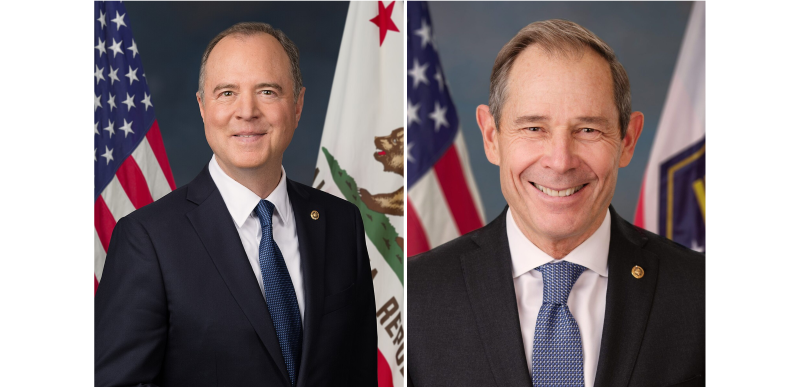
Senator Adam Schiff (D-Calif.) and Senator John Curtis (R-Utah) introduced the Copyright Labeling and Ethical AI Reporting Act, known as the CLEAR Act, a bipartisan measure that would impose new transparency obligations on companies that develop generative artificial intelligence models.
Under the bill, developers of generative AI platforms would be required to provide the U.S. Copyright Office with a detailed summary of every copyrighted work included in the dataset used to train the AI, and, where publicly available, the Uniform Resource Locator (URL) for each work. AI models already publicly available would be subject to similar filings within a specified period after the Copyright Office issues accompanying regulations.
The bill would also require the Copyright Office to establish and maintain a publicly accessible online database of notices submitted under the law. Developers would face potential civil penalties for failing to submit required disclosures or for using materials not listed in a filed notice.
If enacted, the CLEAR Act’s notice requirements would apply to companies that create and put into public use generative AI models, including both new systems and existing ones. The intent is to provide creators with clearer information on whether and how their copyrighted works have been used in the creation of AI training datasets.
Senator Schiff said in a statement that the legislation would help ensure “transparency in the development of AI models and making sure creators are fairly compensated for their work.” Senator Curtis said the bill “protects creators’ intellectual property while providing clear expectations for companies.”