

Federal agency seeks public comment on new framework to help organizations secure artificial intelligence systems.
The U.S. National Institute of Standards and Technology (NIST) released a preliminary draft of new cybersecurity guidance to help organizations address risks associated with artificial intelligence (AI) as the technology becomes more widely used. The draft, known as the Cybersecurity Framework Profile for Artificial Intelligence (Cyber AI Profile), is open for public comment through January 30, 2026.
The draft profile is part of the agency’s broader effort to update its Cybersecurity Framework to reflect the changing threat landscape. It outlines priorities for securing AI systems, leveraging AI to strengthen cyber defense, and building resilience against attacks that AI tools could amplify. NIST said the guidance can help organizations plan the safe integration of AI into their cybersecurity strategies.
“Regardless of where organizations are on their AI journey, they need cybersecurity strategies that acknowledge the realities of AI’s advancement,” said Barbara Cuthill, one of the profile’s authors.
The draft profile is the result of a year-long effort by NIST cybersecurity and AI experts who engaged more than 6,500 participants in a community of interest. The process included an initial concept paper, workshops, and meetings to gather feedback on the guidance’s direction.
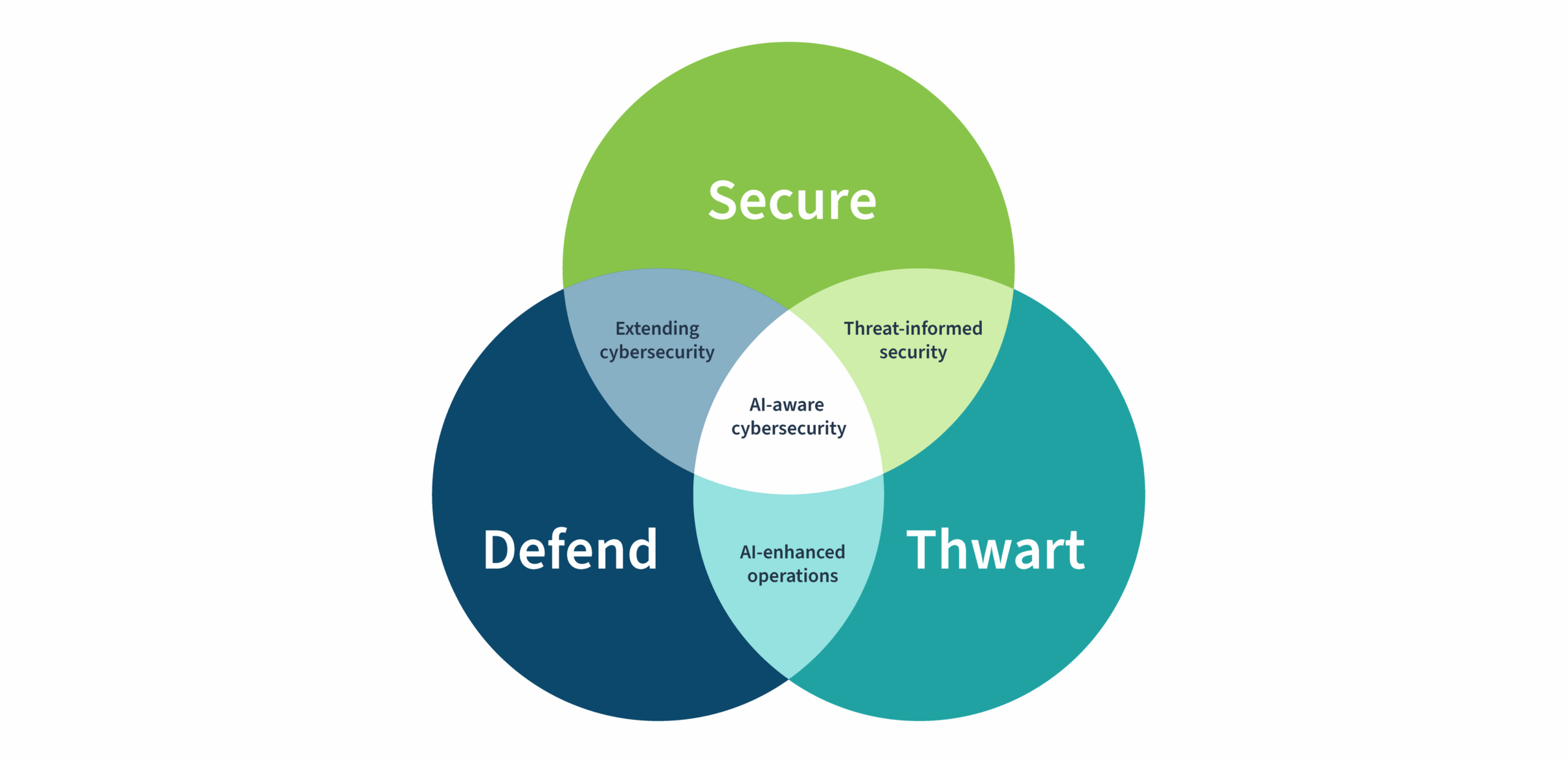
The Cyber AI Profile outlines three main areas: securing components of AI systems, identifying opportunities to use AI defensively, and preparing for potential AI-enabled cyberattacks. NIST plans to use feedback from the public comment period to refine the draft before issuing an initial public draft in 2026.
NIST also announced a workshop slated for January 14, 2026, to discuss the draft profile and related security practices. The agency encouraged organizations and individuals involved in cybersecurity and AI to participate in the review process.
The move reflects growing concerns across government and industry about how to secure emerging AI technologies while harnessing their potential to improve defensive operations.