

The 423-to-57 vote confirms deadline shifts and a ban on apps that generate non-consensual intimate images, pending Council adoption.
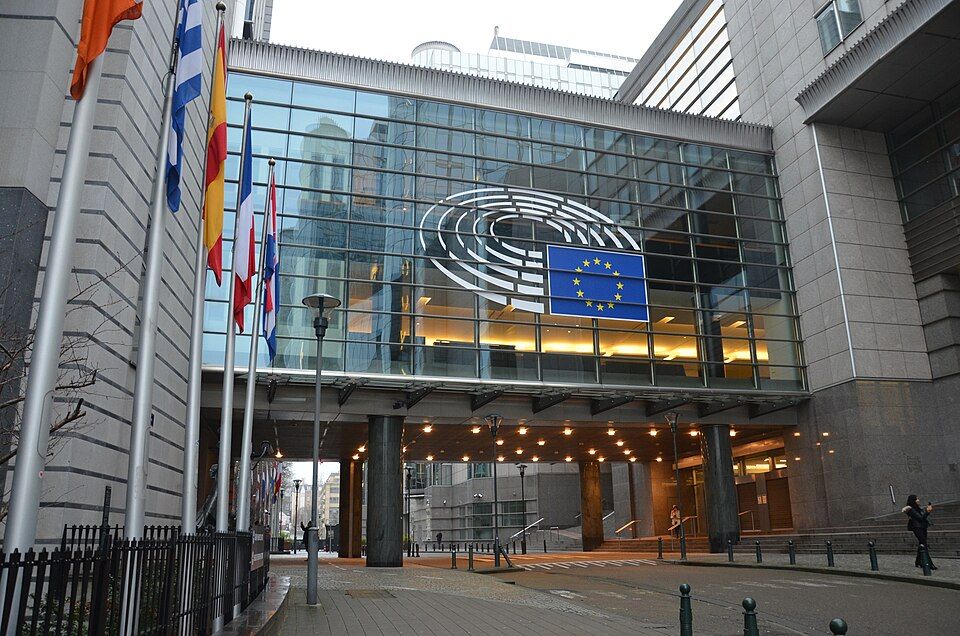
On Monday, the EU Parliament voted 423 to 57 to formally approve changes to the EU AI Act, confirming a series of compliance deadline extensions and a ban on apps that create non-consensual intimate images.
As AI Risk Today reported in May, EU lawmakers reached a provisional agreement on these changes under the European Commission’s Digital Omnibus simplification initiative. Monday’s vote completes Parliament’s approval. The law still requires formal Council adoption before taking effect.
Here’s what the vote confirmed –
High-risk definition was narrowed. An AI feature that assists users or optimizes performance no longer automatically qualifies as high-risk. Only systems whose failure could pose health or safety risks are subject to those obligations. That removes a significant source of legal uncertainty for companies with embedded AI in their products.
“Nudifier” apps banned. Providers have until December 2, 2026 to either pull these systems from the EU market or add technical safeguards to prevent misuse. The ban also covers AI-generated child sexual abuse material.
Personal data can be used to detect bias. Companies gain a new legal basis to use personal data to detect and correct bias in their AI systems, provided they implement the required safeguards.
SME exemptions extended. Small and mid-cap companies get additional relief. The package extends SME exemptions to small mid-cap enterprises, which were previously excluded.
AI content watermarking confirmed. The watermarking requirement for AI-generated content, which will require a machine-readable label on AI outputs, takes effect the same day.
High-risk deadline pushed to December 2027
Standalone high-risk AI systems now have until December 2, 2027 to meet compliance requirements. Previously, the deadline was August 2026. AI systems embedded in products already covered by EU product safety laws have an additional year, until August 2, 2028.
The EU AI Act changes now await formal adoption by the Council. Most other AI Act provisions take effect August 2, 2026.