

The sweeping online safety package combines multiple child protection proposals, including new requirements for AI chatbot providers.
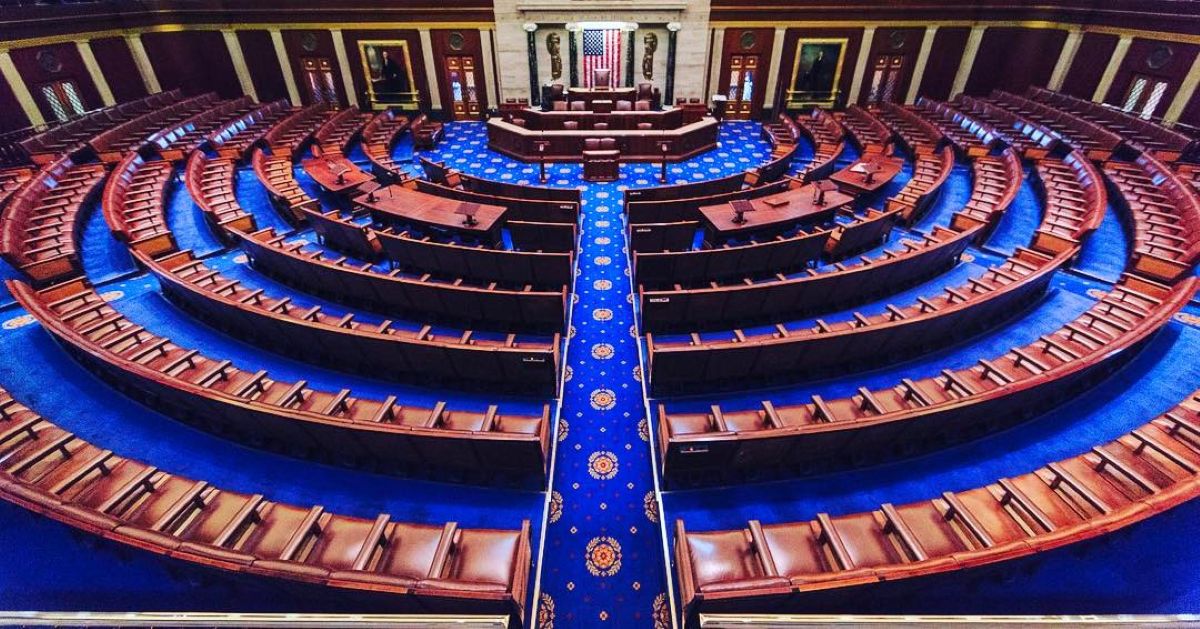
The U.S. House of Representatives passed the KIDS Act. This broad online child safety package would establish new requirements for online platforms, strengthen privacy protections for minors, and create federal rules governing AI chatbots used by children and teenagers.
The legislation combines several previously introduced child online safety bills into a single package. Together, the bill addresses how online platforms collect and use children’s data, the safeguards they must provide for younger users, and the growing role of AI chatbots and other digital services in children’s online experiences.
For AI developers, one of the most significant sections establishes new standards for AI chatbots designed for or used by minors.
Under the bill, AI chatbots would be required to disclose that users are interacting with an AI system rather than a human. Providers also would be prohibited from representing that a chatbot is a licensed medical professional, mental health professional, attorney, or other licensed professional unless that representation is accurate.
The legislation also would require chatbot providers to maintain policies governing interactions with minors and to provide suicide prevention resources when a conversation indicates a user may be experiencing suicidal thoughts.
Beyond the AI provisions, the KIDS Act would establish a broader framework intended to make online services safer for children and teenagers by increasing platform accountability, strengthening privacy protections, and giving families greater control over young users’ online experiences.
The bill also includes several research and education initiatives. Among them are a National Institutes of Health study examining the effects of AI chatbots on minors’ mental health and Federal Trade Commission educational resources intended to help children, parents, and educators better understand AI chatbot technology and associated risks.
Just days before, lawmakers separately introduced the bipartisan SAFE KIDS Act, legislation focused specifically on AI chatbot safety for minors. That proposal would establish additional transparency, safety and parental control requirements for AI chatbot providers.
The House’s passage of the broader KIDS Act places AI chatbot regulation within a larger bipartisan effort to strengthen online protections for minors. If the KIDS Act becomes law, the SAFE KIDS Act will most likely become irrelevant.
The KIDS Act now advances to the Senate.