

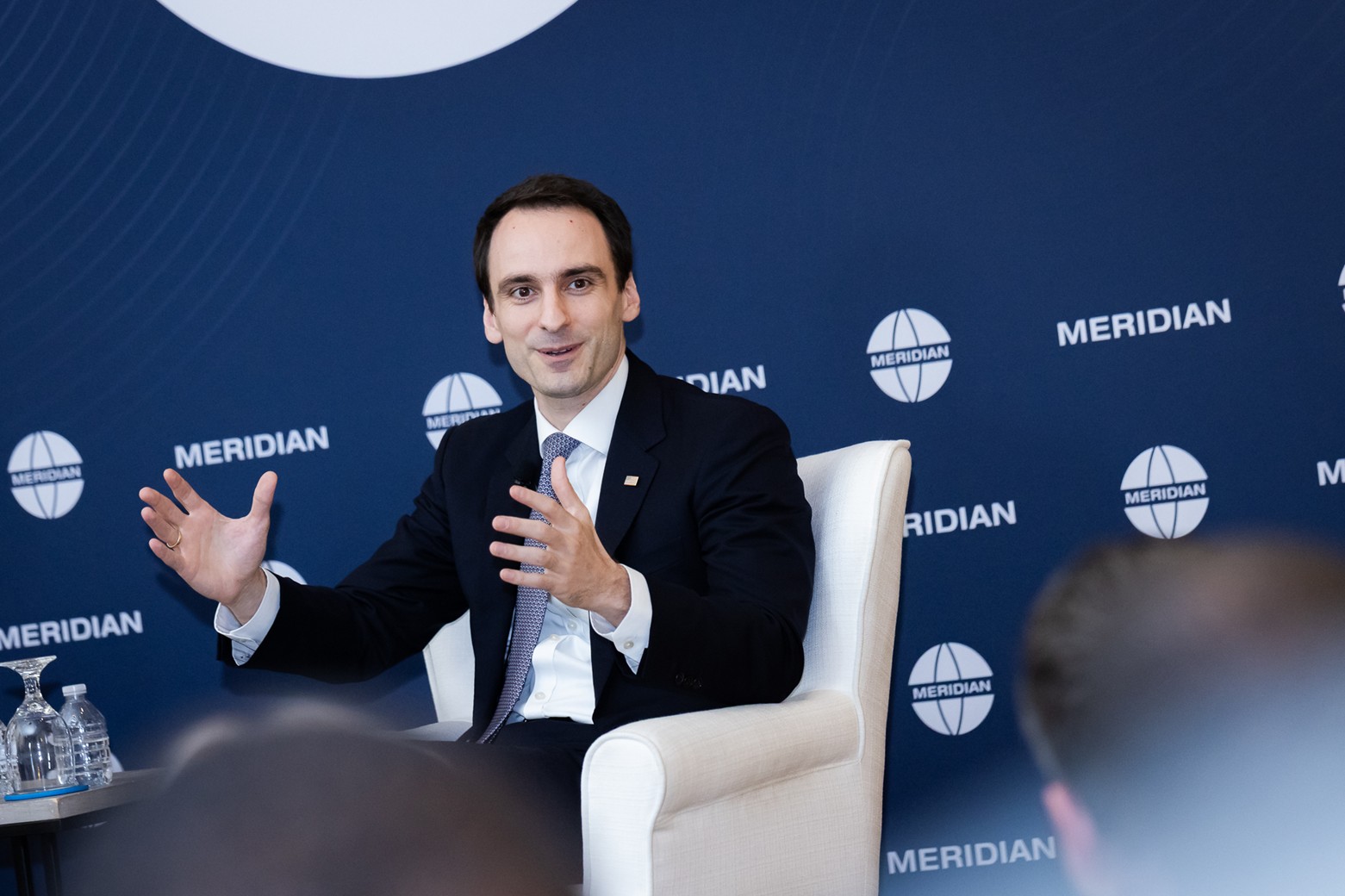

White House science adviser Michael Kratsios said countries should set their own AI rules while continuing to discuss risks with one another.
The United States rejected new global structures to govern AI development at a Sept. 23 United Nations Security Council meeting. White House science adviser and Director of the Office of Science and Technology Policy (OSTP), Michael Kratsios, said decisions about regulating the technology should remain with individual countries.
In the U.S. statement, Kratsios said rapid advances in AI were no reason to pause its development or place it under a new international regulator. He said U.S. lawmakers and regulators would make rules for Americans, and urged other governments to do the same.
Kratsios echoed President Donald Trump’s opposition to international control of AI, which Trump had expressed in an address to the General Assembly the day before.
The U.S. supports dialogue, but wants national decisions
Kratsios said the United States remains open to international discussions about AI, but wants each country to make its own rules. He urged governments to build their own AI expertise and pointed to a U.S. program to supply partner countries with American technology and infrastructure.
Guterres and France back international AI safety standards and human control
In a Sept. 22 address, UN Secretary-General António Guterres urged countries to work together on AI safeguards and said people, rather than machines, must make life-and-death decisions.
Guterres also welcomed a Finland- and Norway-led appeal asking UN member states to consider an international body that could set safety standards for powerful AI models and help verify whether those standards are met. Kratsios did not address that specific proposal in his statement, but opposed creating new global structures to govern AI.
At the same Sept. 23 meeting, French Foreign Minister Jean-Noël Barrot called for countries to agree on shared rules for managing the risks of the most powerful AI models, and said he supported the Finland- and Norway-led appeal. U.K. Foreign Secretary Ed Miliband said governments cannot leave it to AI companies to protect people from AI’s risks.
The Security Council held a briefing on AI and international security, and its meeting account reports no vote on global AI rules.