
Starting Dec. 21, ads that use AI-made images, video, or audio in a way that could mislead buyers must disclose that AI was used, or advertisers face a fine of up to $3,000.
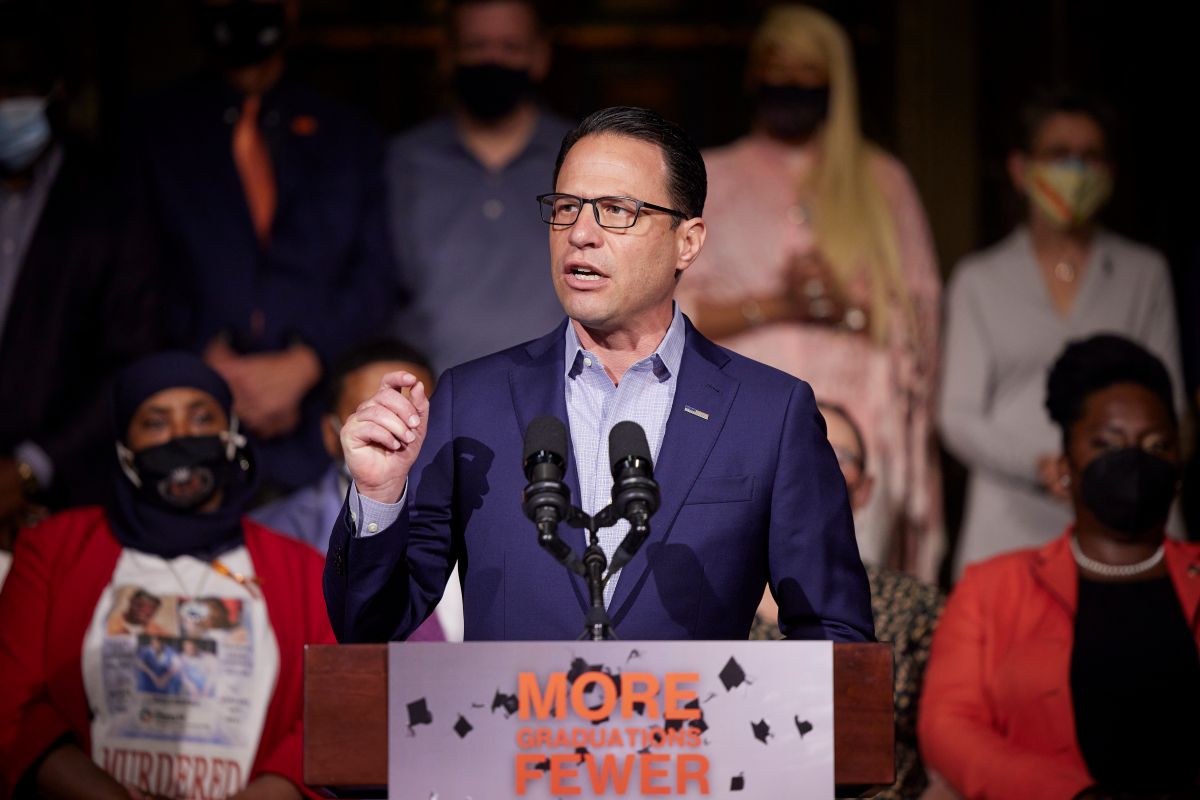
Gov. Josh Shapiro signed Pennsylvania’s Artificial Intelligence Deceptive Advertising Act on Oct. 22, requiring advertisers to label ads that use AI-made or AI-altered images, video, or audio in a way that could mislead buyers about a product.
The law takes effect on Dec. 21, 2026. After that, the state attorney general or a county district attorney can sue an advertiser over a misleading ad that uses AI content without a label, and a judge can fine the advertiser up to $3,000 plus legal costs.
The House passed Senate Bill 806 by a vote of 163 to 40 on Oct. 7, after the Senate passed it 48 to 2 in June 2026. Shapiro signed it with 57 other bills.
What advertisers must do
The law covers images, video, and audio that AI created or significantly changed. A label is required only when that content could give buyers a false impression of what is being sold, where it comes from, or whether the product is genuine.
The label must say the ad contains content made or altered using AI. It must appear as soon as the AI content does, in the same form: on screen for video, spoken for audio, and printed for print ads. Where the technology allows, the label must be permanent or very hard to remove from the AI content.
The rule applies to advertisers that create or run such an ad “knowingly, recklessly or willfully.” Ads that are obviously fiction are exempt, as are parody, satire, commentary, and criticism. Ads made up only of text are also exempt.
Adding a label does not protect an advertiser from lawsuits under other laws.
Only state and county prosecutors can enforce it
Besides suing for a fine, the attorney general or a district attorney can ask a court to order an advertiser to stop running an ad. The law does not give consumers or competitors the right to sue.
Lawmakers changed the scope before passing the bill
As introduced in June 2025, the bill would have added a new item to the list of illegal business practices in Pennsylvania’s consumer protection law: creating or publishing any AI-generated content, including written text, without a label. The Senate rewrote it in June 2026 as a separate law that requires a label only on ads that could mislead buyers, and exempts text.
Pennsylvania’s law covers more kinds of AI content than New York’s or California’s
New York began requiring labels on ads that show AI-generated people on June 9, 2026. California followed on Sept. 16, when Gov. Gavin Newsom signed a law requiring labels on video and audio ads that use AI-generated performers.
Pennsylvania’s law applies to any AI-made or AI-altered image, video, or audio, not only AI-generated people. But it requires a label only when that content could mislead buyers.