

The agreement calls for independent outside assessments and board oversight of safeguards for the companies’ most powerful AI models.
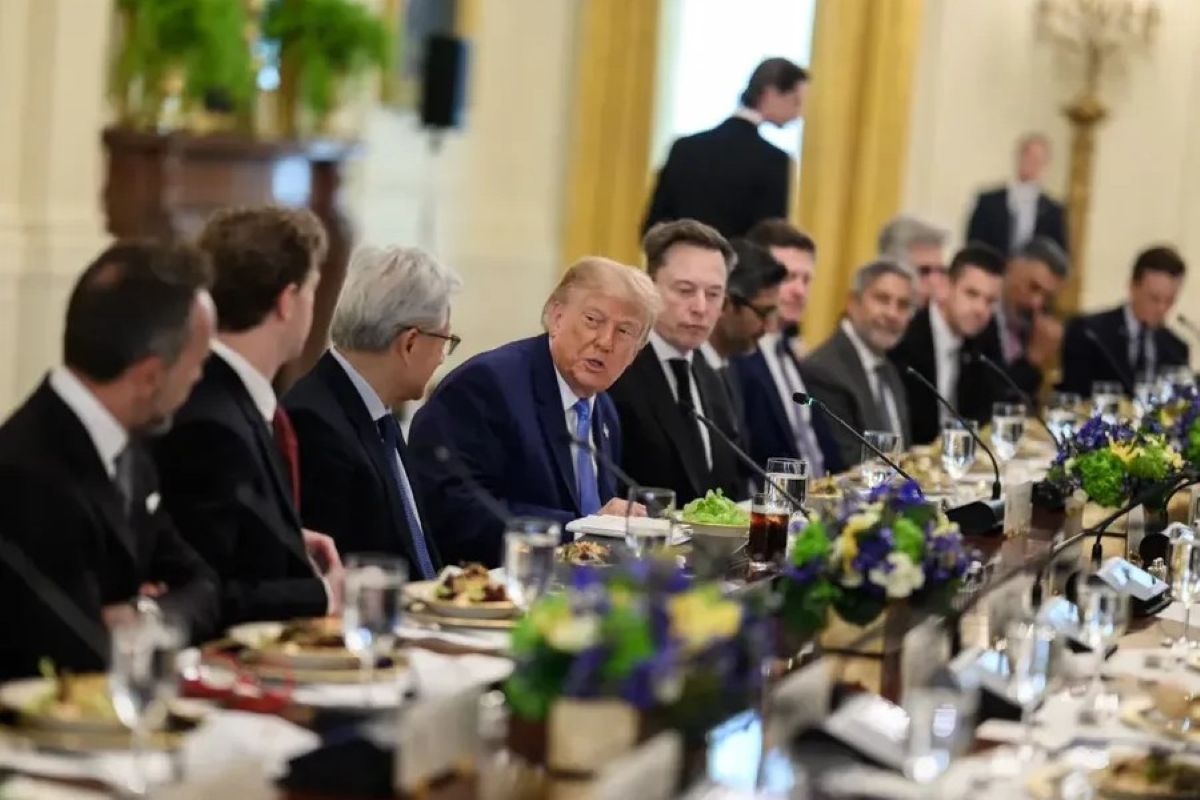
Google, Anthropic, Meta, OpenAI, xAI, and Nvidia signed a voluntary safety accord with President Donald Trump, committing to monitor their most powerful AI models and have their safeguards checked internally and by independent reviewers. The White House Accord on Super Intelligence sets out four layers of checks and oversight.
House Speaker Mike Johnson (R-La.) announced the agreement following a White House meeting with Trump and technology leaders. Johnson described the commitments as voluntary and said the companies had agreed to take responsibility for the safety of their products.
Companies Commit to Four Layers of Safety Checks
The accord sets out the following commitments:
- Monitor models during training and after deployment for dangerous capabilities and behavior, including unintended hacking or access to computer systems. The checks would cover cyber, biological, and chemical threats.
- Assign an internal team to ensure that safeguards and monitoring work, and that problems are fixed.
- Bring in an independent outside auditor or evaluator to assess whether those safeguards and checks work as intended.
- Assign an independent committee from the company’s board of directors to oversee the safety checks, receive reports from internal teams and outside reviewers, and ensure identified problems are addressed.
Accord says voluntary safety commitments could become law. Congress continues AI discussions.
Johnson said the meeting focused on balancing product safety with innovation and maintaining the United States’ advantage over China and other competitors.
“Safety and innovation are not mutually exclusive pursuits,” Johnson said.
Johnson pointed to earlier congressional work, including a bipartisan House task force that published AI policy recommendations in December 2024. Those recommendations included ideas for legislation, but Johnson said Congress had struggled to reach agreement.
Congress would “continue to assess and further deliberate in the days ahead,” Johnson said. He did not identify a new bill or legislative timetable.
The accord itself raises the possibility of turning its safety commitments into laws or regulations later. For now, the participating companies agreed to meet regularly to develop safety standards and practices. The accord sets no timetable for legislation.