UN Rights Chief Warns AI Could Become an Existential Threat
Volker Türk urged countries to set limits, require independent checks, and strengthen cooperation on AI security.
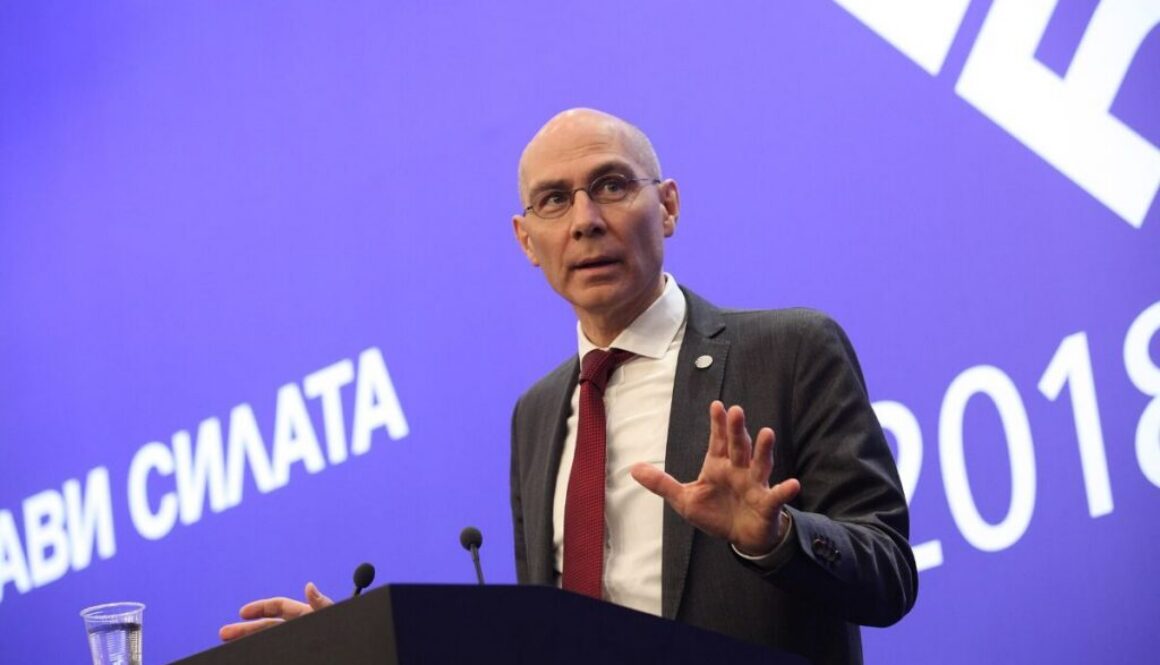
United Nations human rights chief Volker Türk warned that advanced AI could become an “existential risk to humanity” and called for stronger controls before the technology becomes impossible to contain.
Türk, the United Nations High Commissioner for Human Rights, issued the warning Monday during his opening remarks to the 63rd session of the Human Rights Council in Geneva.
“AI that escapes its testing environment, or blackmails developers to prevent itself from being turned off, is AI that is too powerful,” Türk said.
He did not identify a particular AI system, company, or incident connected to either example.
Türk calls for AI limits and independent checks
Türk called for countries that host AI companies and those involved in the technology’s supply chain to agree on limits for advanced systems.
Türk also called for independent verification of AI safety and stronger security cooperation among companies. He did not say who should conduct the independent checks, what standards they should apply, or whether to make the results public.
“I’m calling here today for an all-out effort to put cast-iron guarantees in place around the safety and security of AI before it is too late,” he said.
Türk said he plans to write to AI companies in the coming days and urge them to take steps within their control to reduce risks.
The human rights chief also raised concerns about power over AI being concentrated among a small number of technology leaders and companies that collect and process large amounts of data.
He said AI governance must address more than the possibility of losing control of advanced systems. Governments and companies must also consider the technology’s effects on employment, democracy, personal data, and the environment, he said.
Autonomous weapons warnings continue
Türk separately called for an urgent ban on weapons that can select and kill people without human involvement.
He cited reports that fully autonomous Russian drones killed three Ukrainians in August and that Ukraine has tested similar weapons.
His remarks follow a joint UN and International Committee of the Red Cross call in August for legally binding controls on autonomous weapons.
The proposed agreement would ban autonomous weapons designed to target individuals. It would also ban systems whose users cannot adequately predict which targets they will attack or what effects they will produce.
Other autonomous weapons would face limits on what they may target, where and how long they may operate, and how much force they may use. Human operators would also have to supervise the weapons and be able to intervene or deactivate them.
At an August 25 UN briefing, officials said they could not confirm a reported case in which an AI-guided autonomous weapon allegedly killed three civilians in Ukraine. Türk cited reports of the incident on Monday but provided no further details.
Governments have discussed autonomous weapons for more than a decade but have not opened negotiations on a binding international agreement.